In “Attica Forke,” Philip Dean Walker treats the reader to a sensory experience centered on delicate cuisine and meandering memory—and perhaps, just the tiniest tidbit of self-indulgence. The narrative style is sly and cheeky, but also, lush and generous. Let yourself sink your teeth into this delicious flash fiction and enjoy, enjoy, enjoy. —Court Harler
Attica let the penne rest on her tongue. There was a fresh, buoyant, somehow elastic quality to it—the texture was firm, yet also tender. It was a quiet, unassuming pasta. Al dente didn’t quite capture its consistency, but she couldn’t think of any other way to describe it. She had not added any Parmesan cheese (emulsified with a garlic butter finish) because the chef at Scarpetta preferred that his dishes be served “naked,” which meant without any garnish added after they left his kitchen. Attica agreed.
She rolled the penne around in her mouth. Each vertical ridge seemed to slope down farther toward an even more flavorful taste, the sauce dripping off onto the back of her tongue. A light tomato and basil sauce lent a predictable flavor and it clung nicely to the pasta, but there was something else. Some other elusive flavor. Attica tried to coax it out. There was something spring-like and victorious about the sauce that set it apart from your typical Italian pasta dish. It was innovative, yet still familiar. She concentrated harder, took another forkful, and brought it quickly to her mouth, hoping that a rough, ravenous chew might finally yield the secret ingredient. She bit down and, yes, there it was again, unmistakably.
The taste seemed perched outside of the normal realm of saucery: that tricky task of concocting a perfectly melded, delectable sauce, something upon which any ambitious chef might stake his entire professional life—getting out of bed quietly in the morning so he doesn’t wake up his wife, coming into the restaurant early in order to amass all the necessary ingredients, the overhead kitchen lights casting a shiny tint on all the stainless steel cookery and on the floors, mopped and waxed to a royal gleam the night before because, undoubtedly, the kitchen must be the cleanest part of any restaurant, a holiness sprinkled over the place, like a recently scoured church, still giving off the lemony smell in a charwoman’s wake; and so he begins, mixing in just the right amount of ground carrots, fresh plum tomatoes, chili powder, celery salt, minced garlic cloves, cumin, dried basil, a pinch of sugar, a hint of oregano for tradition’s sake—not too much though, you don’t want to overplay it like, at first, Attica had thought her grandmother Poli had done with her own sauce, overpowering and invasive as if the Italian Army itself had lathered themselves up in it before boarding one of Mussolini’s fabled trains, before she’d come to actually appreciate Poli’s sauce for being just as obvious and wonderful as the old woman behind it—heated up at just the right temperature, bringing it all to a slow boil, red bubbles sputtering just below the placid surface, to get all the ingredients talking to each other in a language they all knew, a conversation to which they were all contributing equally, the sonorous language of the sauce, this sauce, with its goldenrod aftertaste—was that it?—its sweet, playful flavor, a taste that was almost like a garden after a warm late spring rain, the kind of gentle storm that comes abruptly out of nowhere on a sunny day and leaves behind it the flowers dewy and glistening; it was almost…rosy.
The chef must have infused the oil for the sauce with rose petals. Rose petals and maybe even some currants? That was it, she was almost certain of it. How exquisite. Penne with rose petal-infused oil tomato and basil sauce.
PHILIP DEAN WALKER is the author of At Danceteria and Other Stories, Read by Strangers, and Better Davis and Other Stories, all of which were named Kirkus Reviews Best Books of 2017, 2018, and 2021, respectively, with all receiving starred reviews.
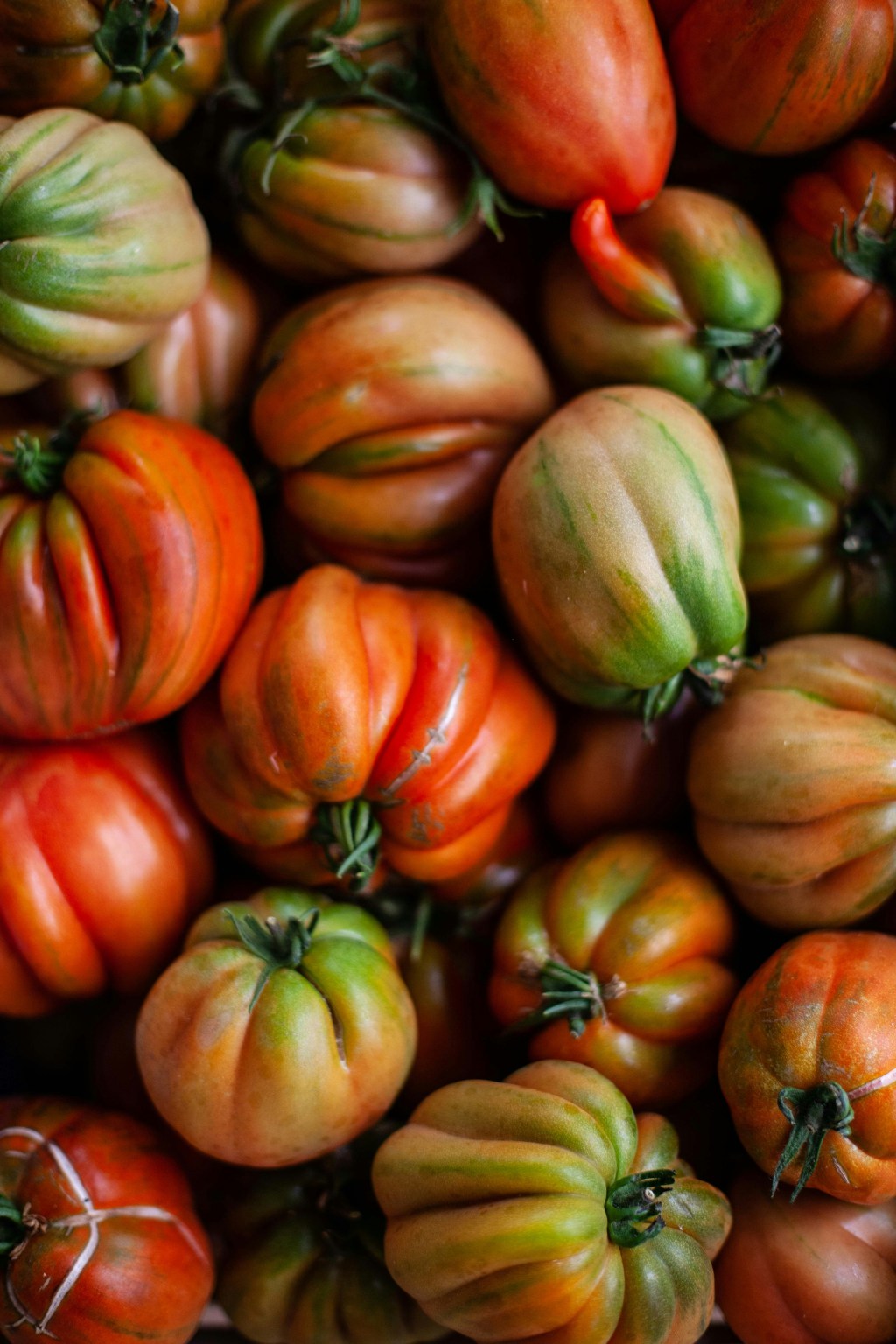
Featured image by Empreinte, courtesy of Unsplash.
 Flash the Court
Leave a comment