Note the inherent lyrical tension of David Guiotto’s flash fiction, “The Lilacs Even the Purple Ones”: the stream-of-consciousness effect created not only by lush poetic language but also by the omission of the comma. In the third paragraph, readers will sense a tightening of the line as the unnamed woman leans into her internal resolve, only for the sentence structure to start to unfurl again into a fresh if uncertain world of impending possibilities. —Court Harler
The lilacs even the purple ones were fading and she thought that was a bad sign. But then as they followed the street down the hill and came to the old road that curved under the locust trees their white clinging flowers smelled just like he’d said once they smelled vanilla like the cookies his mom would bake dragging the raw fragrant clusters through batter and baking them in the oven a ragged oily sumptuous cookie even though they weren’t acacia trees of the Veneto but close and oddly wonderful like an old family memory and that was a good sign. She took his hand as they walked.
He squeezed her hand back and watched the trees and had no idea what she was about to tell him or ask him and her decision frightened her like when how long someone could go on being ignorantly happy while the death of a loved one went unknown. That was an exaggeration of course and she released his hand and grazed his forearm as he lead them across to the sidewalk just as a couple teenage girls loped by on bicycles. It was a good town she had to admit, his hometown that he loved with its river and pine ridges and old pals at every corner it seemed slapping him on the back inviting them to dinner sparking up stories about their college days or high school days hell even grade school days she heard no end to the heroics; a pleasant city even if the art scene wasn’t exactly the Mission but she’d grown weary of the big city and ready to like Boise leafy and parks and a safe place to raise their daughter and they’d gotten lucky to buy a house right after the crash my goodness what houses cost now.
They’d almost left then, she remembered. After three years a little spitefully after not finding a house he’d parted for Sonoma to work a winery, then come back a couple weeks to see them and on the second day she’d spotted the listing, a mid-century in the lower foothills needing work but just the place they could afford and by that very afternoon the owner, the son of the old gal who’d raised her family there but was lying in hospice, Dolores was her name, he accepted their offer like it was a miracle even to him to sell the home to a working family like his and not the two lowly investors who’d tried to lowball him a week earlier. She knew right then they weren’t returning to California. Moving into that handsome house in need of new floors and plumbing but windows to feast your eyes on the seasons in the big trees of the neighborhood. Knew right then her life and their life was to take a new course and returning to SF or Sonoma wouldn’t be in the cards for years or more until a morning like today, when she opened the letter announcing her grad school acceptance two states over in Colorado, and later she suggested they walk down to Hyde Park for an early dinner just the two of them while their girl slept at her besty’s, and the locust blossoms like white grapes in the rusty branches and her hand touching just inside his shirt his warm skin and unsuspecting gate as he quoted Williams on the anarchy of the poor delighting him, and she bolstered her courage for what she’d have to tell him, or ask him. But tell him it would be.
DAVID GUIOTTO is the author of the geographic poetry collections Sawtooth Country (Limberlost Press) and Holocene Trail Guide to the Boise Front (Wolf Peach Press). His prose has appeared in The Limberlost Review, the San Francisco Chronicle, CyclingTips, 3 Syllables, The Cabin, and Street Mag.
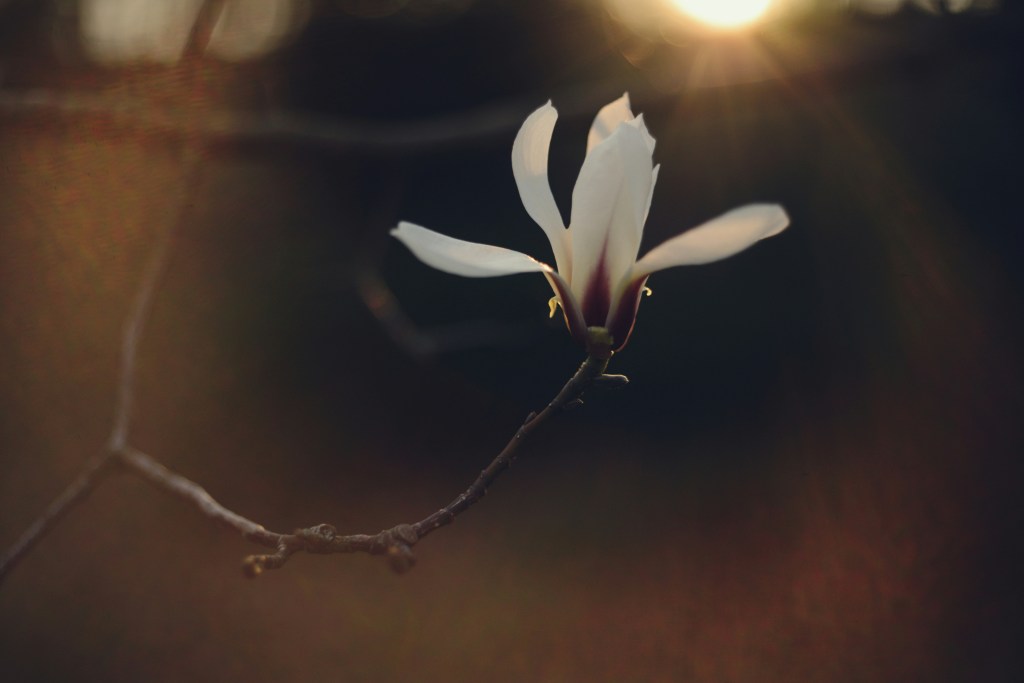
Featured image by Liana S, courtesy of Unsplash.
 Flash the Court