Tag: Micromemoir

  • “Seven Flash” by Polly Walker Blakemore

    “Seven Flash” by Polly Walker Blakemore

    “Seven Flash” by Polly Walker Blakemore is a sequence of evocative snippets that stand alone (and together) as micromemoirs, or perhaps prose poems. Each of the seven segments offers an element of surprise, be it wry humor, clever wordplay, or sudden sentiment. Part of the pleasure of fragmentation is the sequencing itself—of not knowing what could come next.  —Court Harler


    The News, Warts and All

    Have you heard? Toads! They’re on six of the seven continents. Bless them.


    Under the Stove

    Under the stove I find a rubber band and a paper clip, a kernel of corn, a cotton swab, a toothpick, the seed of a tangerine, a thumbtack, the five of diamonds, a button the color of butter, a blueberry (softened, just a little), a corn flake (brittle, now), a marble with green and red swirling inside, dust.


    Toxic

    She had a cat. The cat got old and sick. The cat got sick of being old and sick. She got sick of the cat being old and sick. It wasn’t healthy. It was just normal. She just didn’t know it. Until she did. That’s how she explains it.


    Bother

    This fall I realized the leaves that fall from the oak trees weren’t the bother. The bother was the husband who got bothered by all the leaves that would fall from the trees and would frenzy himself into a lather blowing and raking them up for days and days, smelling like gasoline and sweat. It was his bother that bothered me. Now that I have divorced him, I can’t be bothered, with the leaves, and so many bothers that used to bother me.


    Grind

    She thinks about it every day. Extra coarse. Coarse. Medium Coarse. Medium Medium, Medium Fine. Fine. Extra Fine. With consistency similar to peppercorns, Kosher sea salt, coarse sand, table salt, fine sand, powdered sugar, flour. And the best brewing method for cold brew, plunger, cupping, cone, siphon, stovetop, Turkish. Instant.


    Crossing

    Just as all of the lights at this huge, sixteen-lane, four-way intersection near my favorite Dairy Queen change from green to yellow this afternoon, the man hitches his pants, leans into his walker, and begins to shuffle from the curb in his leopard-print fleece slippers and baggy barn coat.


    Sensed

    You know, it’s not so bad when you’ve a cold to lose your sense of taste for a few days. It takes the edge off, the salt, the sweet, the bitter, the sour, the umami everything. That’s what you tell yourself. It’s not so bad, to lose, you know?


    POLLY WALKER BLAKEMORE is a writer living in Louisville, Kentucky. She is the author of Visiting, a collection of writing from the journal she has kept for thirty-five years, about her time with her mother when her mother was in hospice. On Substack (@pollywalkerblakemore), she publishes a series based on her journal.


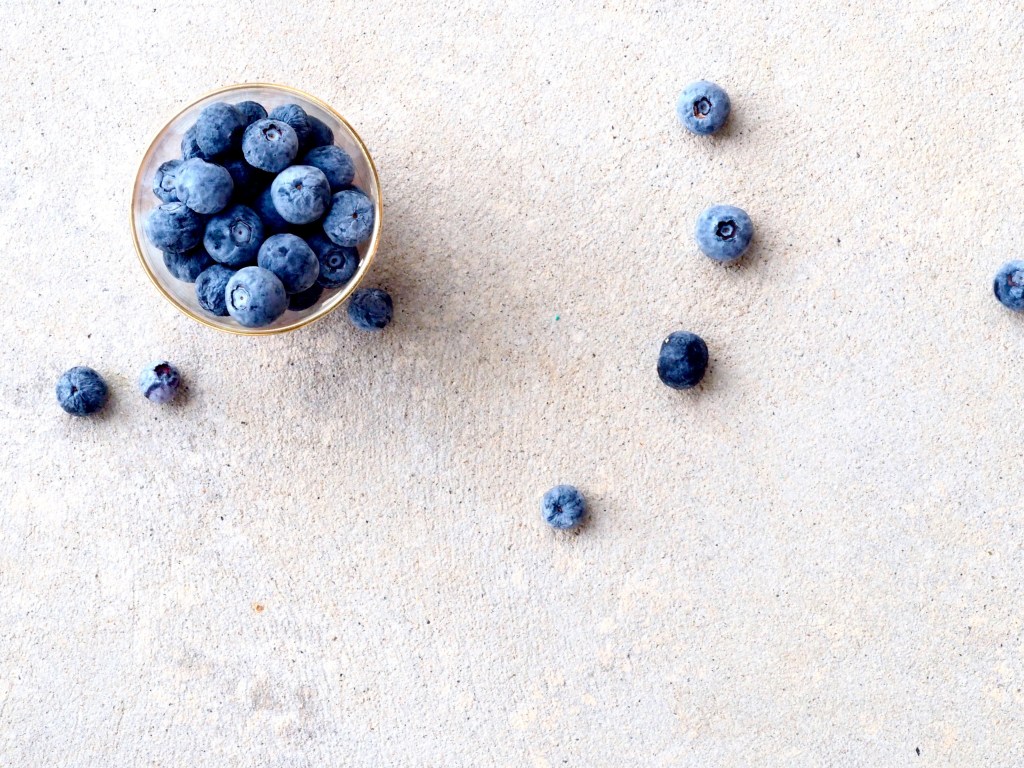
    Featured image by Jess Bailey, courtesy of Unsplash.
  • “Red Saturday” by Shira Musicant

    “Red Saturday” by Shira Musicant

    In “Red Saturday,” Shira Musicant focuses on a singular pivotal event, a common technique for micromemoirists. Less commonly, however, Musicant utilizes third-person instead of first-person point of view, which helps to convey the sheer unbelievability of the moment. The child narrator of “Red Saturday” “sits on the curb” and, all alone, “wonders if it was real.”  —Court Harler


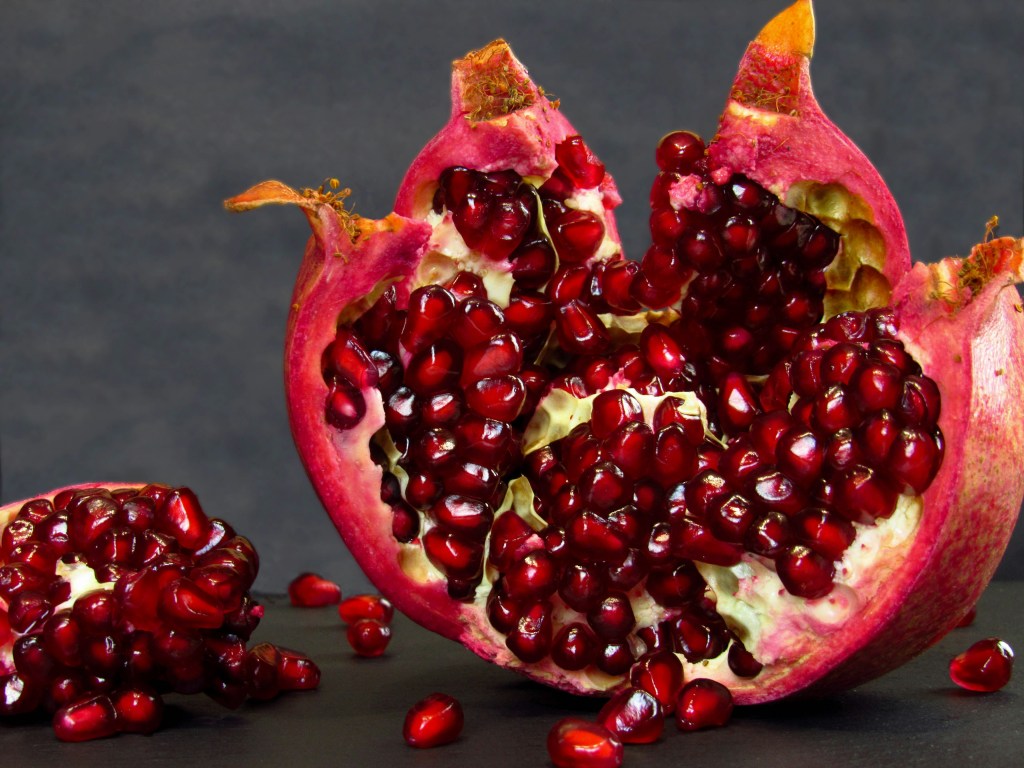
    She sits on the curb at the corner, banished from the house. Dad has given her his old tee shirt, and Mom has cut the pomegranate into pieces, revealing the crevasses where the red seeds hide. She digs her fingers into the fruit. She is red and pink and fuchsia, the tee shirt, her hands, her mouth. The juice is tangy and sweet, the seeds crunchy in her teeth, the voices from the house sharp and bitter.

    She sits on the curb, her feet in the gutter, and a car speeds around the corner, around her resting feet and her red-stained face. She feels the hot whoosh and the way it lifts her hair from her face. When it is gone, she wonders if it was real.

    It happened so quickly, there was no time for fear to take hold.

    After the car, she sits on the curb at the corner wondering if the driver saw her, if she almost died, if Mom and Dad knew what had happened. She has no words to explain the car, no words to explain how big the world and how small her feet in the gutter. The only words she has in that moment are the words she doesn’t know, but hears flung through the house, angry red biting words.  

    She peels back white skin in the pomegranate, uncovering another hidden red cluster of seeds, waiting for her parents to call her back inside.

    Later, Mom throws the tee shirt in the washing machine and scrubs the juice off her face and hands. Later, Dad leaves in his car, backing down the driveway into the street past her corner. She watches him go from the window, waving goodbye, and pressing her hand into the glass, a hand still pink from the scrub and the pomegranate.


    SHIRA MUSICANT, recently retired from her practice as a somatic psychotherapist, writes short fiction and creative nonfiction. Her work has received four Pushcart nominations and can be found in various literary journals including Star 82 Review, Vestal Review, Fourth Genre, SmokeLong Quarterly, Bending Genres, and Milk Candy Review.


    Featured image by Karyna Panchenko, courtesy of Unsplash.

  • “Widow Training [Field Notes]” by Eileen Toomey

    “Widow Training [Field Notes]” by Eileen Toomey

    “Widow Training [Field Notes]” by Eileen Toomey is a micromemoir that moves and moves— we’re shopping, we’re driving, we’re walking, we’re ferrying—until suddenly, we’re stopped: cold in our tracks, begging ice for a “warm beer.” The joy of movement is lost, now suspended in grief.  —Court Harler


    Saturday morning. We went to Sickles, an urban market in the old Anderson building that reminds me of DeLuca’s in Boston with expensive cherry tomatoes clinging to the vine. But we were in Jersey, with branzino lip to lip, dead eyes appraising us from the fish counter.

    Dropped the car off at the shop. The old Lexus might need a jump here and there, but she’s like driving a couch. Maybe that will be me, my middle softening like nice leather, the same texture of Mother’s body as she aged.

    Who knows how many more miles we will travel? Road trip warriors, we laugh like kids in the car with the music and memories. “Do you remember the Oregon Inn?” one of us will say each time we pass the Cedar Point exits on 80 in Ohio. “Dusted perch and prime rib,” the other one replies.

    Now when I’m writing at our kitchen table, I listen for your breath, the creak of the floorboards as you cross to your dresser. Damn this old house, each room stacked with books and dusty lamps. When I hear the rattle of your pills, I know you are awake.


    We went to Memorial Sloan Kettering outpatient, just for a day. In preliminary tests, they found cancer everywhere—and kept you. Because of COVID, they wouldn’t let me stay. I walked thirty blocks, past piss-stained eating sheds, and took the ferry home instead of getting a ride from Denny.

    Then I did this funny thing that I never do alone, and never during the day: I ordered a beer on the boat. I hoped they had something local like a Cape May, but I settled for a Heineken in a giant can. I hate warm beer, so I asked for ice. The bartender looked at me funny, and I thought, Fuck you, I’m widow training.


    EILEEN TOOMEY’s works have appeared in The Rumpus, Cleaver Magazine, Oyster River Pages, and more. Her poem “Immunotherapy” was nominated for a Pushcart Prize and Best of the Net. Eileen is currently shopping around her memoir, You Were All Average: Tales of a Canaryville Girl.


    Featured image by Peyman Shojaei, courtesy of Unsplash.