Category: Flash Creative Nonfiction

  • “To a Flame” by Christie Chapman

    “To a Flame” by Christie Chapman

    In the microessay “To a Flame” by Christie Chapman, ekphrasis and metanarrative commingle in delightful ways, despite the theater’s dark and disrupted setting. “Winged obscurants” spark existential questions for the narrator: “Have I made my life in the right shape?” The plot evades any easy resolution.  —Court Harler


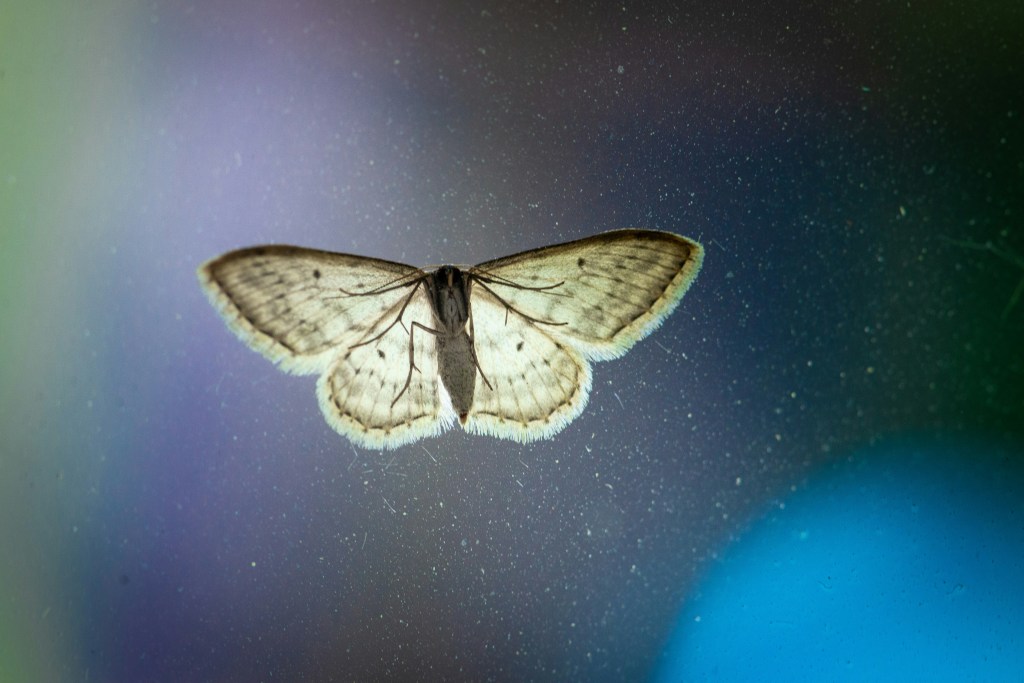
    In the 1983 Canadian comedy film Strange Brew, two bumbling brothers bring a jar of moths into a theater that’s showing a bad movie they’ve made. When the audience hollers “Boo!” one of the brothers opens the jar. As the moviegoers shriek and duck and flinch, and exit the theater—the winged obscurants follow their passion to the light. They block the projector’s flicker, which is inscribing the bad story.

    The brothers do this to escape, to avoid giving refunds. They’re mostly spared the consequences of their story, eclipsed by a hundred tiny yearnings.

    But really, they are the story—the brothers, the moths. I think about this a lot: What is a story? Have I made my life the right shape? What do you do when the plot goes astray—when the other person in your bed puts a pillow behind him and rolls away?

    I always felt more like the moths. The metaphorical moths; real moths use a light source to navigate only. I’m like those moonstruck loonies in eighties pop songs and eighth-grade love notes. I fling myself at any heat source. Story be damned.


    CHRISTIE CHAPMAN is a writer and mom in Springfield, Virginia. Her work has been published and is forthcoming in Electric Literature, LEON Literary Review, L’Esprit Literary Review, Midway Journal, The Bulb Region, Ghost Parachute, and elsewhere. She was a Lascaux Prize finalist for flash fiction and nominated for Best Microfiction.


    Featured image by Max Kleinen, courtesy of Unsplash.

  • “Balance Exercises” by Brian McNely

    “Balance Exercises” by Brian McNely

    “Balance Exercises” by Brian McNely is a lyrical, meditative flash essay about aging, but not in the expected, human-centered sense. One chilly morning, we meet two elderly dogs who require and receive different approaches to their care. The reader’s empathy deepens “in the gloaming,” in the knowledge of the “shadows” that await.  —Court Harler


    Mo used to wake me up by nudging my arm, her tail smacking the bed frame. Now my bladder is my alarm clock, and Mo stays in bed, nose to Frito feet.

    There’s a wind advisory, and the “feels like” temp is in the teens. I pee and pull on layers. Mo does three big stretchy down dogs before she’s ready. She ducks her snout into her Carhartt chore coat. I kiss her forehead and grab an orange tennis ball we probably won’t chase. We’re out before sunup, usually before anyone else in the neighborhood, save the folks who’ve been out all night.

    This morning, someone crouches in the Gatton Park field, hands near the fallow grass. They’re shuffling, bundled up in the predawn darkness. There’s a pram nearby, on the park path.

    Mo pulls at her leash, her cuneate basenji ears erect as we lean into the wind.

    The pram’s black canopy catches a gust and rolls down the path, and the man in the field bolts up and sprints after it, leaving something small and white lying in the grass. Mo stops pulling. I knead my fists in my jacket pockets and roll them against my stomach.

    A Jack Russell mix holds up his shoulders and head on trembling forelegs. The rest of his body melts into the earth, hind legs splayed and twisted. We stop. Should we help? Can we help? But the man jogs back with the pram in a few easy strides and kicks the wheel brake.

    I duck my head against the wind, tucking my chin into my puffy. The man crouches again and scoops the dog’s pliant, pale belly with both hands, lifting his rear legs so pink paws touch grass. They shuffle together into the wind, stooped and humbled, looking for the perfect spot to pee.

    I watch Mo watch them. No pulling, whining, or growling. She gives the dog a pass. We’re accidental voyeurs, seeing what we’re not meant to see. We watch from different heights and pass by in a wide arc.

    But I pull down my hood, brave the cold, and look back. The man is standing now, holding his dog to his heart. He lays him in the pram and pushes it the way we’ve come.

    I raise my hood. Mo moves on to new smells and sounds, and I watch her pick her way along the path. Her leash is wrapped around my left wrist and pinned to my body. I measure her weight against this reflective tether, balance her steps against my own. She leads us out of the park and underneath Oliver Lewis Way.

    In the streetlights our shadows reach across the path and over Manchester Music Hall’s gravel lot. She tugs at her leash again—ears up—and I brace. In the gloaming, she sees, before I do, a rabbit bounding away, outpacing our shadows.

    In a week, she’ll be ten.


    BRIAN McNELY teaches at the University of Kentucky and races bikes. His work has appeared in Off Assignment, Invisible City Literary Journal, Magpie Zine, Porridge, and in academic journals such as Philosophy & Rhetoric. Find him on Instagram @bmcnely.


    Featured image by Andréas BRUN, courtesy of Unsplash.

  • “Seven Flash” by Polly Walker Blakemore

    “Seven Flash” by Polly Walker Blakemore

    “Seven Flash” by Polly Walker Blakemore is a sequence of evocative snippets that stand alone (and together) as micromemoirs, or perhaps prose poems. Each of the seven segments offers an element of surprise, be it wry humor, clever wordplay, or sudden sentiment. Part of the pleasure of fragmentation is the sequencing itself—of not knowing what could come next.  —Court Harler


    The News, Warts and All

    Have you heard? Toads! They’re on six of the seven continents. Bless them.


    Under the Stove

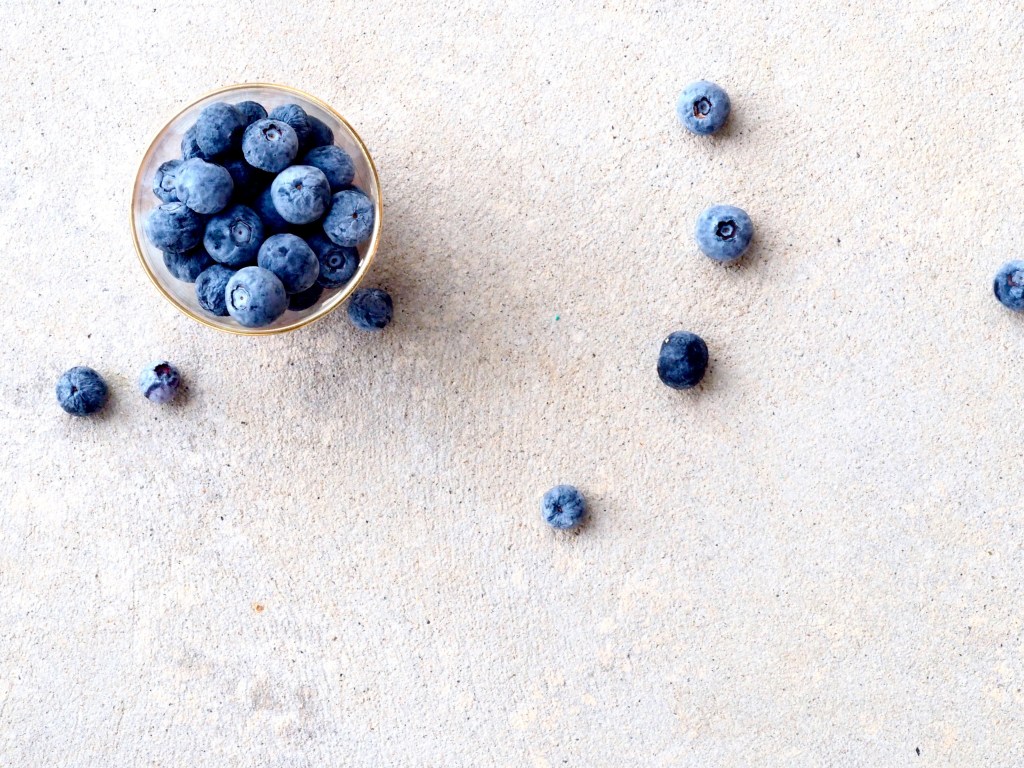
    Under the stove I find a rubber band and a paper clip, a kernel of corn, a cotton swab, a toothpick, the seed of a tangerine, a thumbtack, the five of diamonds, a button the color of butter, a blueberry (softened, just a little), a corn flake (brittle, now), a marble with green and red swirling inside, dust.


    Toxic

    She had a cat. The cat got old and sick. The cat got sick of being old and sick. She got sick of the cat being old and sick. It wasn’t healthy. It was just normal. She just didn’t know it. Until she did. That’s how she explains it.


    Bother

    This fall I realized the leaves that fall from the oak trees weren’t the bother. The bother was the husband who got bothered by all the leaves that would fall from the trees and would frenzy himself into a lather blowing and raking them up for days and days, smelling like gasoline and sweat. It was his bother that bothered me. Now that I have divorced him, I can’t be bothered, with the leaves, and so many bothers that used to bother me.


    Grind

    She thinks about it every day. Extra coarse. Coarse. Medium Coarse. Medium Medium, Medium Fine. Fine. Extra Fine. With consistency similar to peppercorns, Kosher sea salt, coarse sand, table salt, fine sand, powdered sugar, flour. And the best brewing method for cold brew, plunger, cupping, cone, siphon, stovetop, Turkish. Instant.


    Crossing

    Just as all of the lights at this huge, sixteen-lane, four-way intersection near my favorite Dairy Queen change from green to yellow this afternoon, the man hitches his pants, leans into his walker, and begins to shuffle from the curb in his leopard-print fleece slippers and baggy barn coat.


    Sensed

    You know, it’s not so bad when you’ve a cold to lose your sense of taste for a few days. It takes the edge off, the salt, the sweet, the bitter, the sour, the umami everything. That’s what you tell yourself. It’s not so bad, to lose, you know?


    POLLY WALKER BLAKEMORE is a writer living in Louisville, Kentucky. She is the author of Visiting, a collection of writing from the journal she has kept for thirty-five years, about her time with her mother when her mother was in hospice. On Substack (@pollywalkerblakemore), she publishes a series based on her journal.


    Featured image by Jess Bailey, courtesy of Unsplash.

  • “Lucky” by Nate Methot

    “Lucky” by Nate Methot

    In this new flash essay entitled “Lucky” by Nate Methot, the author takes a hard look at luck. Luck is relative; luck is curated. Luck, good or bad, is a facet of life, but never uncomplicated. With lyrical prose and surprising sentence structure, the examination unfolds.  —Court Harler


    They said two to five years. It’s been fourteen. I’m lucky.

    Nothing and everything changed in an instant. All questions answered in the worst possible way. A death sentence in three words.

    It looks differently from here—I know what unfolds. If he could see the years, see the decline, experience the chasm between us, what would he think? It’s been so long—he was barely twenty-seven—is this lucky; am I lucky?

    I’ve lost so much, such freedom, hardly have a life of my own—no house, no car, no career, no family—depending on others, once-prized autonomy nearly extinguished. But I’m still nearer beginning than end: I eat, and talk, and stand, and breathe on my own. I’m not supposed to be here at all.

    They’re on Instagram, on TikTok, on Zoom, my peers, if that’s what they are. pALS is succinct—people with ALS. They advocate, gain followings, raise money, put their reality on view. They connect and share pain, spreading it out, relieving some pressure, and laugh with the darkness of the terminally ill—laugh at their mutual fucked-ness.

    I watch them progress, deteriorate, shrink. They shrink—collapse in on themselves. The cruel metamorphosis unfolds daily, by video. A young father types with his eyes, food port in his belly; an influencer is propped up with pillows, tube in her nose, body transformed into mush. It’s almost too hard to look at the future they tell me is coming. I scroll back to see the before—it’s been just a few years: he’s walking, stumbling forward in an unnerving gait, and she’s gorgeous, sharing the lighthearted ways she tells dates that she uses a cane. Those people are gone, the dichotomy excruciating.

    I tried to be one of them for a while, tried to find a place to fit in when I could no longer bear feeling lost and alone. They were pALS, a tragic, darkly unshakable identity and bond—all stages mixed together on my screen: energetic and imperceptible to bedridden and tube fed. Surely, I fit somewhere between, but even here, I couldn’t find the comfort I needed.

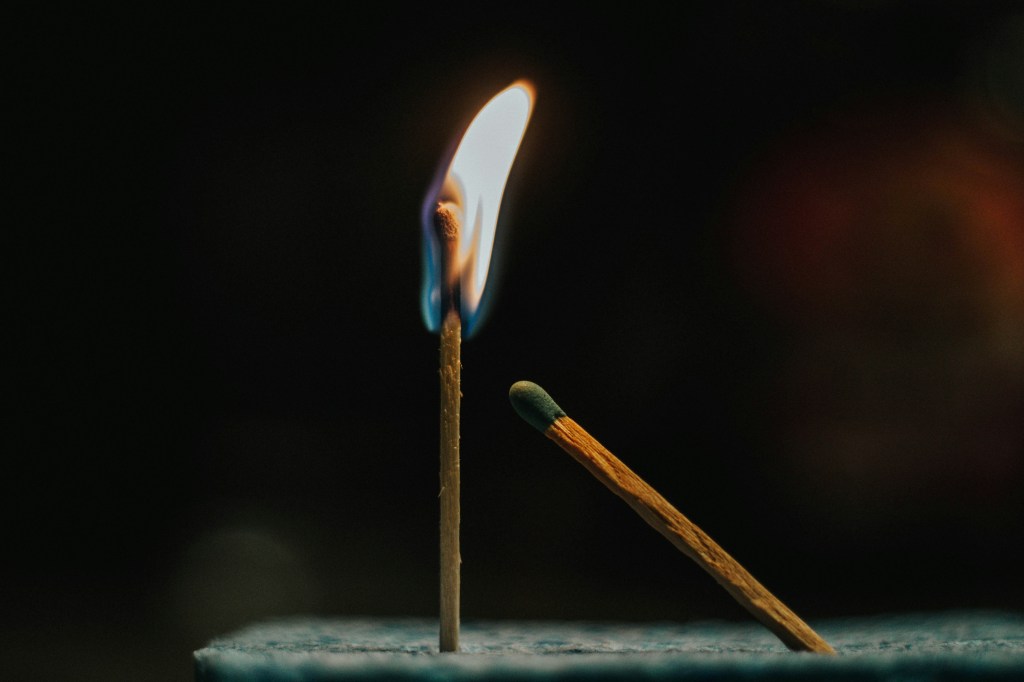
    I’m a slow burn, one match at a time, another handful of kindling on the way; they’ve been drenched through with diesel and engulfed. Our distance lies in the difference; labeled the same, we’re nothing alike. They have each other, but I have more days. I’m winning.

    I’m praised for this. Somehow. I fight harder, care more, have more to live for. I’m mentally tougher. Tenacious.

    No. I’m not. I’m lucky.

    But I don’t live amongst the pALS. When I roll out my door, I don’t see slumped, unmoving bodies, don’t strain to hear indecipherable speech. No. I see life. I see function and ease and marvel at the wondrous human body. I see the others—whole crowds of others wholly unaware of the pain, blind to my jealous, disconcerted, gaping eyes.

    No, I’m not lucky.


    NATE METHOT is the author of A Life Derailed: My Journey with ALS, a memoir. He was diagnosed with ALS at twenty-seven in 2011. He lives with his parents in Vermont and writes with a mouse and on-screen keyboard. His memoir, blog, and social media can be found at natemethot.com.


    Featured image by Devin Avery, courtesy of Unsplash.

  • “Red Saturday” by Shira Musicant

    “Red Saturday” by Shira Musicant

    In “Red Saturday,” Shira Musicant focuses on a singular pivotal event, a common technique for micromemoirists. Less commonly, however, Musicant utilizes third-person instead of first-person point of view, which helps to convey the sheer unbelievability of the moment. The child narrator of “Red Saturday” “sits on the curb” and, all alone, “wonders if it was real.”  —Court Harler


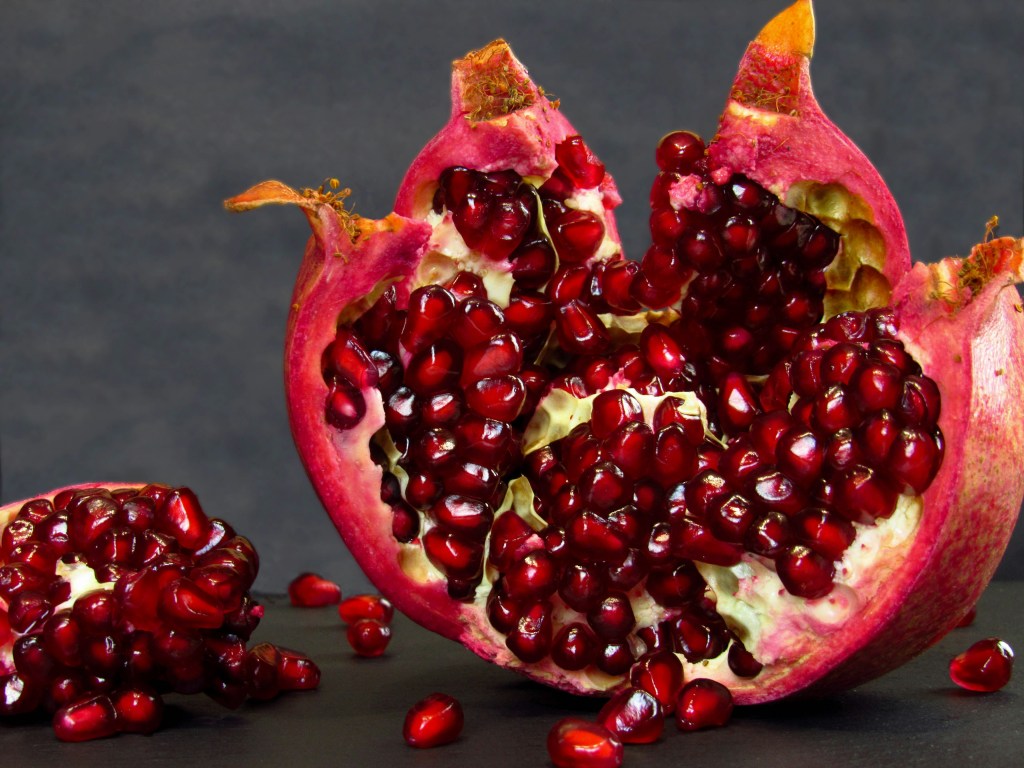
    She sits on the curb at the corner, banished from the house. Dad has given her his old tee shirt, and Mom has cut the pomegranate into pieces, revealing the crevasses where the red seeds hide. She digs her fingers into the fruit. She is red and pink and fuchsia, the tee shirt, her hands, her mouth. The juice is tangy and sweet, the seeds crunchy in her teeth, the voices from the house sharp and bitter.

    She sits on the curb, her feet in the gutter, and a car speeds around the corner, around her resting feet and her red-stained face. She feels the hot whoosh and the way it lifts her hair from her face. When it is gone, she wonders if it was real.

    It happened so quickly, there was no time for fear to take hold.

    After the car, she sits on the curb at the corner wondering if the driver saw her, if she almost died, if Mom and Dad knew what had happened. She has no words to explain the car, no words to explain how big the world and how small her feet in the gutter. The only words she has in that moment are the words she doesn’t know, but hears flung through the house, angry red biting words.  

    She peels back white skin in the pomegranate, uncovering another hidden red cluster of seeds, waiting for her parents to call her back inside.

    Later, Mom throws the tee shirt in the washing machine and scrubs the juice off her face and hands. Later, Dad leaves in his car, backing down the driveway into the street past her corner. She watches him go from the window, waving goodbye, and pressing her hand into the glass, a hand still pink from the scrub and the pomegranate.


    SHIRA MUSICANT, recently retired from her practice as a somatic psychotherapist, writes short fiction and creative nonfiction. Her work has received four Pushcart nominations and can be found in various literary journals including Star 82 Review, Vestal Review, Fourth Genre, SmokeLong Quarterly, Bending Genres, and Milk Candy Review.


    Featured image by Karyna Panchenko, courtesy of Unsplash.

  • “Family Dinner on the Overnight Train” by Lisa K. Buchanan

    “Family Dinner on the Overnight Train” by Lisa K. Buchanan

    “Family Dinner on the Overnight Train” by Lisa K. Buchanan is a flash creative nonfiction essay that playfully subverts expectations of the form. Told in third person instead of first, the piece is based on the author’s fond memories of family dinner-table games and train vacations. Each family member is effectively and entertainingly characterized by an alias, and the essay’s events unfold with dreamlike, childlike wonder.  —Court Harler


    First Place Prize of indigestion went to Big Engine, whose role at the table was to maximize speed and consumption. Last Place Prize, achieved by dawdling interminably over onion rings and sirloin, went to Young Caboose for whom rushing—through a meal or maintenance check or sublime landscape of jagged lava—would violate true train travel. Air Whistle announced each station-stop with adrenalized squeals. Dining Car’s pleas for mealtime civility did not prevent Engine and Whistle from shoveling succulent pink prime rib into their maws the way sweaty shirtless men had shoveled lumps of coal into bygone-era fireboxes. By the time Caboose brought up the rear, Dining Car’s favorite forbidden-fruit cordial had sold out, and Engine and Whistle were immersed in glops of French Apple Pie with Nutmeg Sauce.

    Through the night, Engine snored louder than the clickety-clack of steel wheels on steel tracks. Dining Car dreamt of forbidden fruit and sweaty shirtless men. Caboose stayed open late, wide-windowed and happily alone, while even Whistle was rocked into a soothing stupor and the most memorable of sleeps.

    Decades later, with Engine retired, Dining Car reduced to a snack counter, and Caboose gone largely remote, Air Whistle fondly recalled those family-of-four vacations aboard the overnight train from Los Angeles to Albuquerque. Rail travel in the region may have honeymooned decades earlier with mink stoles and felt fedoras, but another era might yet arrive—couplings strengthened, energies electrified, and those great gleaming windows ever saving.


    Writings by LISA K. BUCHANAN appear in CRAFT, The Citron Review, and elsewhere. Foes: fellow bus passengers with shoulder bags near her nose. Friends: people not preceding her in line for chocolate sorbet. Heroes: public librarians. Current favorite banned book: They Called Us Enemy by George Takei.


    Featured image by Patrick Fore, courtesy of Unsplash.

  • “Liturgist of the Land: A Single Work Completed” by Gregory Ormson

    “Liturgist of the Land: A Single Work Completed” by Gregory Ormson

    In his lyric essay, “Liturgist of the Land: A Single Work Completed,” Gregory Ormson pairs the philosophical with the practical, the conceptual with the concrete. While he ponders the lofty lessons of Greek myth, he also contemplates the gritty necessity of burial. In these parallels, Ormson finely illustrates what he calls “finishment,” even if it remains elusive.  —Court Harler


    Look around. People are constantly checking their cell phones. Something must be left undone. A complete fucking incompleteness, a permanent, angst-driven scratch. Sisyphus whined, “In this rhythm, I am caught.” Push the stone up the mountain. Check the phone.

    Does anyone experience a single work completed? A work so perfectly done that it could be called an existential tetelestai, a complete eschatological-level finishment. I saw it once, a work completed that could not be improved. Here is the work indexed:

    Dig.

    Dump.

    Bury.

    Cover.

    Nothing decorative. Nothing symbolic. Everything necessary.

    Burial is not in my will, but I can pretend it is. Play with me here. See one gravedigger standing above my body, boots planted in sacred ground, cigar at his mouth. Before the last shovel of earth is tipped over me, he flicks the cigar down into the hole and covers it. Then he dusts off his hands, spits once, and walks away. One work completed that day. If I were still alive to know it, I would be satisfied with his work. He would not call it a ritual. He would not name himself a priest. But the land would know.

    Some people serve as liturgists without learning the title of their work. I saw another version of that same work with my friend Baker in Big Bay, Michigan, when we dug down eight feet into the earth with a spade.

    In the middle of our work, he stopped to catch his breath. “It’s got to be deep, so the skunks don’t dig it up and spread it around the campground,” he said.

    Tipping a blue barrel of fish remains into the hole, gathered from the campers at his resort, I looked at the slimy cathedral of eyes, bone, and skin. Walleye and crappie, bass and perch. Death and life piled up together in stink and shine.

    Baker stirred the goop in the hole with a stick, handed the stick to me and said, “Here. Mix it up.” I stirred the smelly goo while he added sand and water. “Yuck, that stinks,” the children said. They hated our cigars too.

    The smelly alchemy of fish, sand, water, and flies animated his conviction that the whole creation was right there in that hole. “Is this a metaphor for our life on earth, foam stirred by another master?” Baker said.

    Brushing up against the mystery of life in that hole by Lake Independence, I wondered if Baker was an alchemist in a past life, a man to whom the search for the philosopher’s stone was never completed. The seminarian interrupted, apprenticed to decay…yet still busy sniffing out divinity’s lessons in the alchemy of decomposing flesh in bubbles of methane and carbon dioxide.

    Over the years, I have learned how sacred ground is formed. The cabin floor, worn thin by feet and years. The red-handled pump that once squealed loud enough for people across the lake to hear us collecting water for morning coffee, now stilled. The graves of Sitting Bull and Sacagawea where engines fall silent into the space of awe and attention. The Red Desert, holding my medicine bowl of the vision quest where only breath moves. And the prickly desert where a girl vanished, and neither the ground nor the courts have finished the work.

    Different soils. Same covenant.

    I am counting on fire to take my body and my phone. No more scrolling. No more unfinished messages. No more stone to push back uphill. But one last time, I let myself imagine the liturgy in land, the older grammar, older than signal and screen:

    Dig.

    Dump.

    Bury.

    Cover.

    A shovel.

    A cigar.

    Another burial under the thin skin of the Earth, where the sacred ground seals our relinquishment. And the last act, releasing what is always borrowed and rented. But, at last, no more Sisyphean grind, just one single work,
    completed.


    GREGORY ORMSON is the author of Yoga Song, Rochak Publishing (2022) and Lantern Audio (2023). “Midwest Intimations” was his winning longform lyric essay in Eastern Iowa Review’s Maggie Nonfiction Award (2016). He was also awarded Indiana Review’s thirteen-word story contest prize (2015).


    Featured image by Sašo Tušar, courtesy of Unsplash.

  • “Transitions” by Jennifer Braunfels

    “Transitions” by Jennifer Braunfels

    Writers must debate and navigate endless choices. In “Transitions,” a flash creative nonfiction essay by Jennifer Braunfels, the writer has chosen a particular point of view (second person) and a specific structure (a series of transition words) to guide the telling of a painful, powerful story. Ultimately, those craft choices enable the writer to express the inexpressible.  —Court Harler


    Now, I have something to tell you. You may want to sit down. 

    Soon, you’ll be diagnosed with cancer.

    In turn, everything will change.

    For example, instead of taking that school trip to Germany with your son that’s been planned for two years, you’ll begin chemotherapy.

    Yes, the ticket says you’re flying out tomorrow morning.

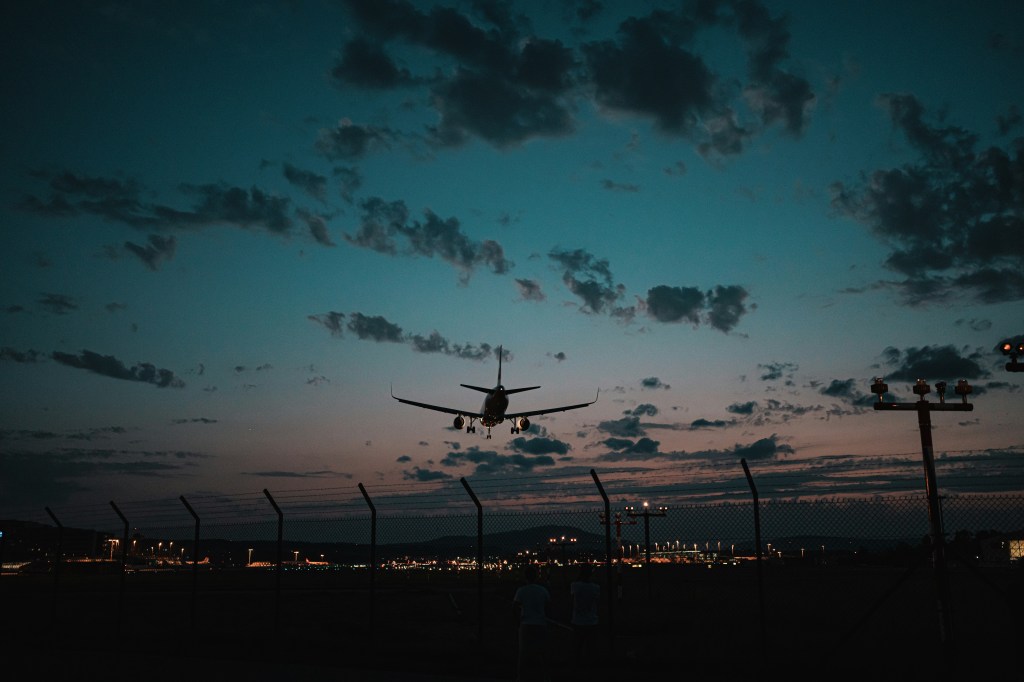
    But instead, at 3:30 a.m., you’ll drive your son to the transportation center, where he’ll board that plane without you.

    Of course, you’ll put on a brave face on the drive to Portland, telling him how much fun he’ll have. You’ll try to sound upbeat, even though you’re drowning in a storm of grief.

    Finally, you’ll arrive. Park. Help your son unload his suitcase. Ask him if he wants you to go in and help get him settled. He’ll say no, but he means yes. You know this. But because you’re about to break, you hug him. Then leave him.

    Unbeknownst to you, while you’re sobbing on the drive home, he’ll experience his first panic attack. Alone. A stranger will catch his limp body as it slumps to the floor. A detail he won’t share with you for weeks because “you already had enough going on.”

    At home, you’ll unpack your suitcase. Throw fistfuls of clothes around the bedroom in a frenzy, screaming.

    Then comes the first round of chemo.

    Later, with that poison snaking its way through you, you’ll become weak. Your mouth will taste of metal. There’ll be nausea that’s so intense, it’ll be hard to put into words for your husband, who is on the phone with the cancer center explaining your symptoms, because he’s convinced you’re actually dying.

    Sadly, for months, you’ll be bedridden. Not having enough strength to climb the stairs to your bedroom, you’ll take up residence in the office on the first floor. A prison without bars.

    As a result of treatment, you’ll become dependent on others for everything. Rides. Bathing. Cooking. Walking. A dependence you’ll detest.

    Eventually, they’ll cut your boobs off. You’ll awake from anesthesia, feeling like you have a truck parked on your chest. Four times daily, you’ll empty the surgical drain tubes jutting out of you.

    Next comes radiation five days a week for five weeks. Your skin will blister and boil.

    Understandably, you’ll have lows.

    However, there will also be highs.

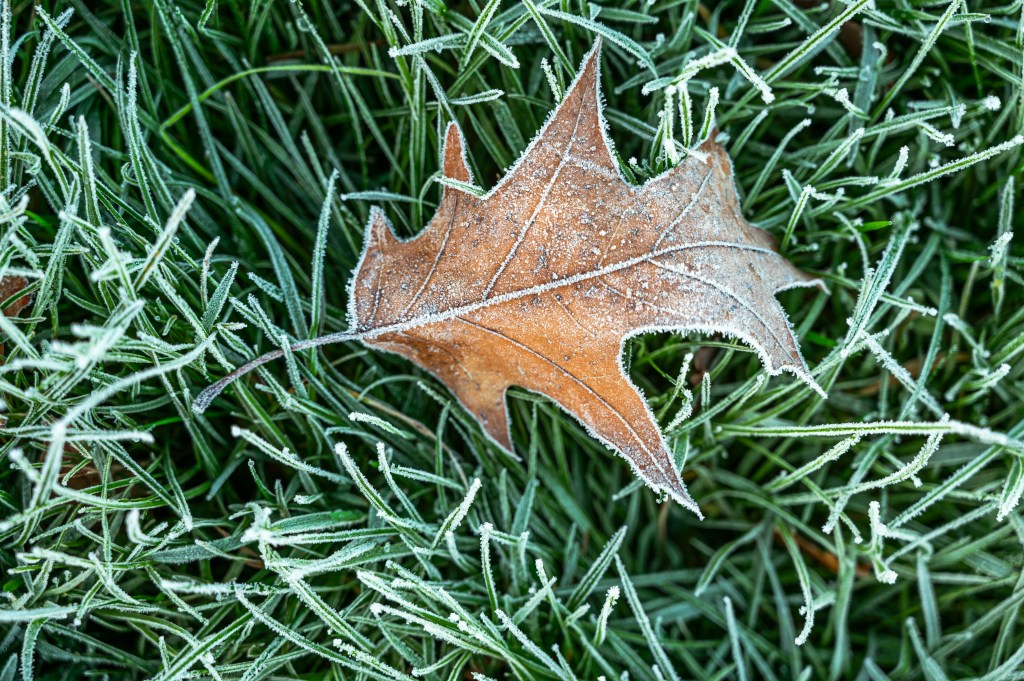
    For instance, ringing the bell on the last day of chemo. Feeling stubble on your bald scalp. You’ll take a school trip with your son his senior year—this time to Iceland.

    Accordingly, your life will forever be in two segments, like lightning splitting a tall tree down the middle. Everything in two categories: Before cancer. And after.

    But you’re going to be okay. I promise.

    After, you’ll find joy in simple things. Uneventful days. Moonlit nights. Sunlight streaking across a wooden floor in the afternoon.

    Until then, know that I’ll be with you the entire time. I’ve got you.


    JENNIFER BRAUNFELS lives in Maine. Her first novel comes out in the spring of 2026 through Apprentice House Press. Her work has appeared in The Masters Review, McSweeney’s Internet Tendency, The Stonecoast Review, and various other places. She lives with her husband, children, and unruly dog, Sissy.


    Featured image by Claudio Schwarz, courtesy of Unsplash.

  • “Re-Womb” by Rebecca Evans

    “Re-Womb” by Rebecca Evans

    “Re-Womb” by Rebecca Evans is a speculative creative nonfiction essay that redefines the form. Evans uses the technique of “perhapsing” to imagine a new integrative reality as the narrator becomes sensuously attuned within the wider world, “in celebration of / another / and another / and another.” Marvelously lyrical and metaphorical, “Re-Womb” is a study of language, a study of self.  —Court Harler


    If I rebirthed, I’d return as an orca and dance with my pod—us three—female, calf, escort. Perhaps I’d be the female, stifle humankind in the Strait of Gibraltar, remind man of his place, his fragile femur and filament and, remind him—every. single. man.—I am royalty.

    Or perhaps I re-womb, tunnel myself within and without. The darkness but a blanket—a blanket fort, a blanket of snow, an electric blanket. Me, cocooned and healing. Here, I snip stitches and strip screws. Here, I tenderly pull thread and metal. Here, my surgical reparation of heart and bone. I allow my body to finish her job. Oh! how she knows. Knows more than me.

    I hope when I die, I leave an imprint, not just an impression. Not the pressure-outline left on my bed or embossed into another. No. A signature of my stories, my songs, impressed beneath the skin of those who damaged me most. My words flaming through that cage, the place they held me

    hostage.

    Snow melts.

    A blanket returns

    to fiber.

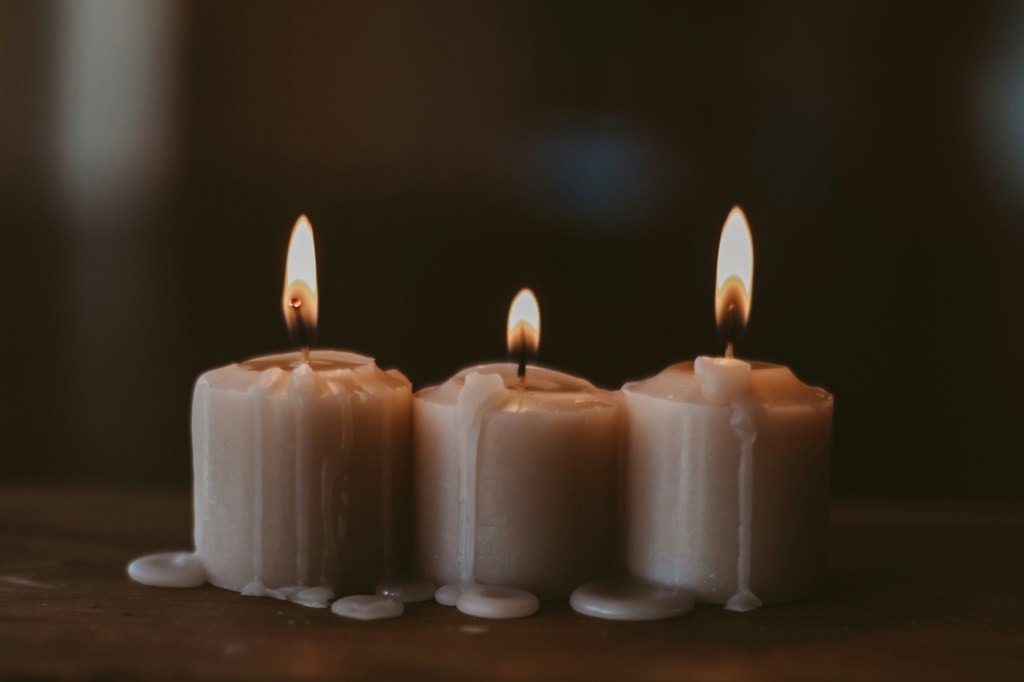
    One flicker extinguishes darkness. Think, Small candle that someone,

    somewhere lights in memory of

    or in hope for

    or in celebration of

    another

    and another

    and another.

    Maybe I do not return as a female orca. Even while they sleep, they guard. Vertical “resting” buoyanced by water.

    I wonder, Does a mother ever rest?

    Perhaps I un-womb, return as words—a language still unspoken. One that you feel before you note the shape of it leaving your lips. Before your tongue presses to the back of your teeth.  Like song. Like whale humming. Like vibration massaging your weary bones.

    Think, Cello against your chest.

    Think, Babe turning in your womb-waters.

    Think, Hummingbird in your heart.

    You no longer feel the boundary—where you end and all else begins. Oh! how we have forgotten. We are instruments and whales and wings. Me, as language, will swoop through hearts like storm and ocean.

    Think, Dervish.

    Think. Cliff diving.

    Think…

    anything that sets you free,

    brings you warmth,

    reminds you

    that you, too, are all of these.


    REBECCA EVANS writes the difficult, the heart-full, the guidebooks for survivors. Her work includes a full-length poetry collection, Tangled by Blood; a collection-length poem, Safe Handling; and a forthcoming collection of flash essays, AfterBurn. Her work offers social commentary on surviving sexual assault by combining visual art, literary craft, and empowerment coaching.


    Featured image by Sixteen Miles Out, courtesy of Unsplash.

  • “Widow Training [Field Notes]” by Eileen Toomey

    “Widow Training [Field Notes]” by Eileen Toomey

    “Widow Training [Field Notes]” by Eileen Toomey is a micromemoir that moves and moves— we’re shopping, we’re driving, we’re walking, we’re ferrying—until suddenly, we’re stopped: cold in our tracks, begging ice for a “warm beer.” The joy of movement is lost, now suspended in grief.  —Court Harler


    Saturday morning. We went to Sickles, an urban market in the old Anderson building that reminds me of DeLuca’s in Boston with expensive cherry tomatoes clinging to the vine. But we were in Jersey, with branzino lip to lip, dead eyes appraising us from the fish counter.

    Dropped the car off at the shop. The old Lexus might need a jump here and there, but she’s like driving a couch. Maybe that will be me, my middle softening like nice leather, the same texture of Mother’s body as she aged.

    Who knows how many more miles we will travel? Road trip warriors, we laugh like kids in the car with the music and memories. “Do you remember the Oregon Inn?” one of us will say each time we pass the Cedar Point exits on 80 in Ohio. “Dusted perch and prime rib,” the other one replies.

    Now when I’m writing at our kitchen table, I listen for your breath, the creak of the floorboards as you cross to your dresser. Damn this old house, each room stacked with books and dusty lamps. When I hear the rattle of your pills, I know you are awake.


    We went to Memorial Sloan Kettering outpatient, just for a day. In preliminary tests, they found cancer everywhere—and kept you. Because of COVID, they wouldn’t let me stay. I walked thirty blocks, past piss-stained eating sheds, and took the ferry home instead of getting a ride from Denny.

    Then I did this funny thing that I never do alone, and never during the day: I ordered a beer on the boat. I hoped they had something local like a Cape May, but I settled for a Heineken in a giant can. I hate warm beer, so I asked for ice. The bartender looked at me funny, and I thought, Fuck you, I’m widow training.


    EILEEN TOOMEY’s works have appeared in The Rumpus, Cleaver Magazine, Oyster River Pages, and more. Her poem “Immunotherapy” was nominated for a Pushcart Prize and Best of the Net. Eileen is currently shopping around her memoir, You Were All Average: Tales of a Canaryville Girl.


    Featured image by Peyman Shojaei, courtesy of Unsplash.